
How to Build a Global Team Aligned in Culture and Productivity
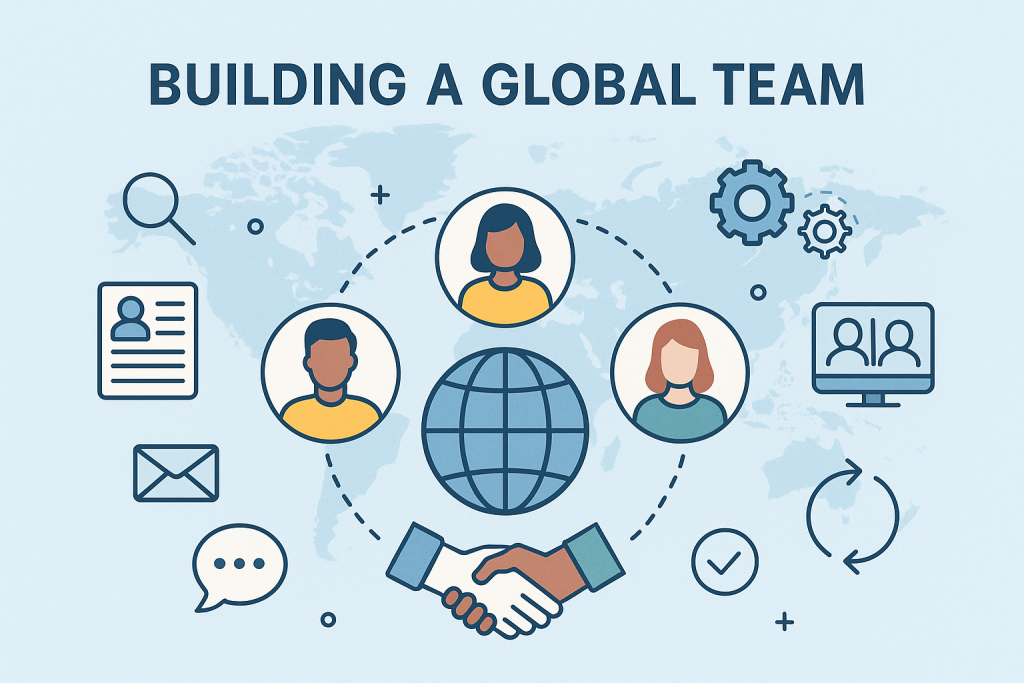
Building a globally distributed team that maintains cultural alignment and high productivity is one of the most significant challenges modern organizations face. With remote work now accounting for 22.8% of the US workforce and 16% of companies operating as fully remote globally, creating cohesive international teams has become a business imperative rather than a luxury.
A culturally aligned global team delivers measurable results: companies with strong cultural alignment see 21% higher profitability and 682% revenue growth over 11 years compared to just 166% growth for companies without thriving cultures. The key lies in implementing strategic frameworks that bridge geographical boundaries while fostering shared values and accountability.
Understanding the Global Team Alignment Challenge
1. The Scale of Modern Remote Work
The transformation to global remote work has been unprecedented. According to Owl Labs’ 2024 State of Hybrid Work report, managers report that their remote and hybrid teams are 62% more productive than in-office counterparts, yet team misalignment challenges have risen from 37% in 2023 to 44% in 2024.
Deloitte’s 2024 Global Human Capital Trends research shows only 3% of organizations are extremely effective at capturing the value created by workers.
2. The Cost of Misalignment
Team misalignment costs businesses significantly. Research indicates that 86% of executives cite lack of collaboration and communication as the main reason for workplace failures, with some businesses losing $1.5 million annually from broken team alignment.
Strategic Framework for Cultural Alignment
1. Establish Clear Cultural Values and Communication Standards
Cultural alignment begins with explicitly defined values that transcend geographical boundaries. According to Harvard Business Review research, organizations that prioritize positive culture experience a 32% increase in employee productivity.
Essential steps for cultural foundation:
- Define non-negotiable core values that apply globally regardless of local customs
- Create cultural ambassadors in each region to bridge local practices with global standards
- Implement consistent communication protocols across all time zones
- Establish decision-making frameworks that respect cultural differences while maintaining organizational coherence
2. Leverage Technology for Seamless Collaboration
The global remote team communication tools market, valued at $17.67 billion in 2023 and projected to reach $58.38 billion by 2032, provides unprecedented opportunities for team alignment.
Technology implementation best practices:
- Centralize communication platforms (Slack, Microsoft Teams, or similar) to reduce confusion
- Implement asynchronous communication tools that accommodate different time zones effectively
- Use visual collaboration tools: 76% of survey respondents say visuals are very or extremely important to achieving shared understanding
- Deploy project management systems that provide real-time visibility into team progress and individual contributions
Building Productive Global Teams Across Time Zones
1. Master Asynchronous Work Methodologies
Successful global teams operate on asynchronous principles that prioritize clarity over immediate availability. According to Forbes research, async rituals keep distributed teams aligned by focusing on deliberate communication rather than constant connectivity.
Asynchronous productivity strategies:
- Documentation-first approach: Create comprehensive written records of decisions, processes, and project status
- Rotating meeting schedules: Ensure no single team member consistently bears the burden of inconvenient meeting times
- 24-hour feedback cycles: Establish clear expectations for response times that respect work-life boundaries
- Structured handoff processes: Create seamless project transitions between team members in different time zones
2. Implement Performance Management Systems
Remote work productivity statistics show that 77% of workers believe their productivity is higher when working from home, yet 85% of leaders struggle to have confidence in remote worker productivity.
Performance management solutions:
- Outcome-based metrics rather than time-tracking systems
- Regular check-ins focused on project progress and obstacle removal
- Clear goal-setting frameworks using OKRs (Objectives and Key Results) methodology
- Recognition systems that celebrate achievements across all regions equally
Fostering Cross-Cultural Communication Excellence
1. Address Language and Cultural Barriers
Managing international teams requires addressing inherent language and cultural barriers that can impede productivity. Research from the Global Management Admissions Council shows that 57% of global employers identify communication as the most desirable skill in potential recruits.
Communication enhancement strategies:
- Provide language support tools and training for non-native speakers
- Cultural sensitivity training for all team members, not just managers
- Clear documentation standards that minimize misinterpretation
- Regular cultural exchange sessions to build understanding and empathy
2. Build Trust Through Transparency
Trust becomes exponentially more important in distributed teams. According to Harvard Professional Development research, trust unleashes people to do their best work by creating psychological safety.
Trust-building mechanisms:
- Radical transparency in decision-making processes
- Regular feedback loops that include both positive recognition and constructive guidance
- Consistent leadership presence across all geographical regions
- Inclusive meeting practices that ensure all voices are heard regardless of time zone
Measuring and Maintaining Team Alignment
1. Key Performance Indicators for Global Teams
Tracking the right metrics ensures sustainable cultural alignment and productivity. Companies with aligned teams see a 24% decrease in employee turnover and 21% higher profitability.
Essential alignment metrics:
- Employee engagement scores across different regions
- Project completion rates and quality measures
- Cross-cultural collaboration frequency and effectiveness
- Knowledge sharing and documentation quality
- Retention rates by geographical location
2. Continuous Improvement Processes
According to Gallup’s 2024 State of the Global Workplace, global employee engagement declined to 21%, making continuous improvement essential for maintaining team cohesion.
Improvement strategies:
- Quarterly alignment assessments using anonymous feedback tools
- Regular culture pulse surveys to identify emerging issues
- Cross-regional mentorship programs to share best practices
- Iterative policy adjustments based on team feedback and performance data
Conclusion
Building a global team aligned in culture and productivity requires intentional strategy, robust communication systems, and continuous refinement. The data clearly shows that organizations investing in cultural alignment and global team management see significant returns in productivity, profitability, and employee retention.
Success depends on establishing clear cultural foundations, leveraging appropriate technology, implementing asynchronous work methodologies, and maintaining transparent communication across all geographical boundaries. Companies that master these elements create competitive advantages that drive sustainable growth in an increasingly global marketplace.
Ready to Transform Your Global Team?
Building culturally aligned, productive global teams requires specialized expertise and strategic implementation. Contact Neuhire today to discover how our comprehensive staffing solutions can help you create high-performing international teams that drive measurable business results. Our proven methodologies have helped organizations achieve up to 40% improvements in team productivity while maintaining cultural coherence across multiple time zones.

Marketing professional with a passion for people, creativity, and growth. I love turning ideas into campaigns that connect and inspire. Currently part of the Neuhire team, helping businesses find the right talent fast.

Marketing professional with a passion for people, creativity, and growth. I love turning ideas into campaigns that connect and inspire. Currently part of the Neuhire team, helping businesses find the right talent fast.